
Jakarta is Rediscovering Kopitiam Culture


There’s something comforting about a place where coffee comes with conversation, breakfast comes with nostalgia, and nobody seems to be in a hurry to leave.
For generations across Southeast Asia, that place has been the kopitiam.
Today, the humble kopitiam is finding a new audience globally, and specifically in Jakarta. While the city is no stranger to specialty coffee shops, brunch cafés and all-day dining, there’s a growing appetite for something that feels a little more familiar: strong coffee, kaya toast, soft-boiled eggs, noodles, rice dishes and the easygoing ritual of sitting down for a meal.
But the modern kopitiam isn't simply a recreation of the past. It is a reinterpretation of a food culture that has always been about community, everyday rituals and good food.
So, what exactly is a kopitiam — and why is Jakarta rediscovering it now?
What Really Is A "Kopitiam"?
The word kopitiam is a combination of kopi, meaning coffee, and tiam, a Hokkien word meaning shop or establishment. Quite literally, it translates to "coffee shop."
But calling a kopitiam simply a coffee shop doesn't quite capture what makes it special.
Traditionally, a kopitiam is a casual eatery where people come not only for coffee, but also for breakfast, snacks, lunch and conversation. It is a place where a quick cup of kopi can turn into an hour-long catch-up with friends, family or colleagues.
Unlike the minimalist coffee shops that have become popular in cities around the world, kopitiams tend to feel more lived-in. They are practical, communal, and deeply connected to everyday life.
Perhaps that's exactly why the concept feels so relevant today. In a city as fast-paced as Jakarta, there's something refreshing about a dining culture built around slowing down, sharing food and simply spending time together.

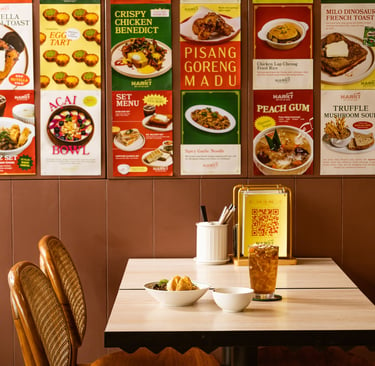
Rooted In The Multicultural History Of Southeast Asia

The development of Kopitiams is rooted particularly in places such as Singapore and Malaysia.
A result of influences by the region's Chinese immigrant communities, local ingredients and cooking traditions, as well as European colonial culture. Over time, these influences came together in the form of the familiar coffee shop: a casual place serving locally adapted coffee alongside simple, affordable meals. In other words, the kopitiam is a product of Southeast Asia itself: different cultures meeting, adapting and creating something new together.
For decades, kopitiams became part of the everyday rhythm of life. They were breakfast spots, meeting places, neighbourhood hangouts and unofficial community centres. While their menus might look simple, their cultural significance is anything but.
Kaya Toast
Then there's kaya toast, arguably one of the most recognisable kopitiam combinations.
Kaya is a sweet spread traditionally made from coconut milk, eggs and sugar, sometimes flavoured with pandan. It's spread onto toasted bread, often paired with butter, and served alongside coffee and eggs.
The combination sounds simple, and it pretty much is. But the contrast is what makes it work: crisp toast, creamy butter, sweet kaya and rich coffee. It's the kind of breakfast that doesn't need to overcomplicate itself.
Curious about what Kaya really is and where it originated from? We got all the answers you need in our guide Everything You Need to Know About Kaya Toast, takes a closer look at the history, ingredients and cultural story behind it.


A kopitiam menu is usually built around a few comforting staples. The exact dishes vary across regions and individual establishments, but several classics have become part of the experience.
Kopi
Let's start with the obvious one: kopi.
Traditional kopitiam coffee is typically bold, aromatic, and full-bodied. Depending on how you order it, your coffee can come with condensed milk, evaporated milk or sugar, which is where terms like kopi-O and kopi-C come in.
If you've ever stared at a kopitiam menu wondering whether you're supposed to know a secret coffee language, you're definitely not alone. But don't let that intimidate you, it's surprisingly simple.
If you want to go deeper into the different styles, read our guide on Kopi-O vs Kopi-C: What's the Difference? where we'll break down the terminology and help you understand what you're actually ordering.
Eggs
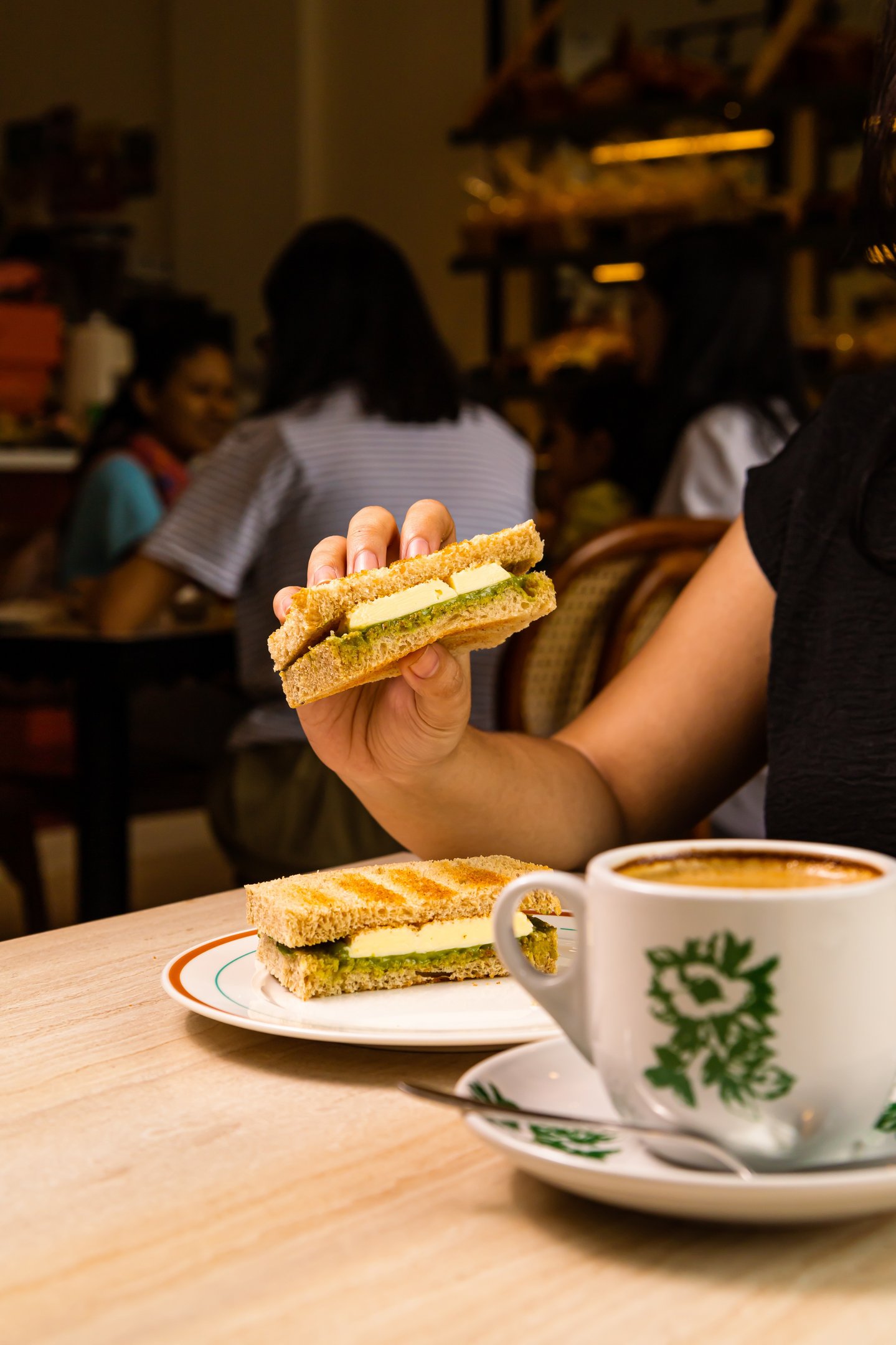
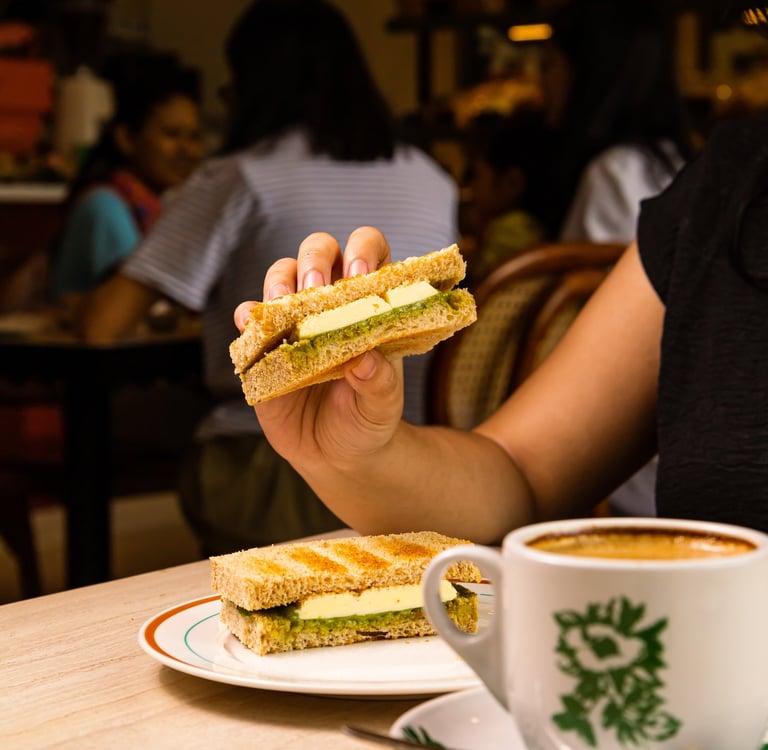
Soft-boiled eggs are another kopitiam classic.
Usually served with soy sauce and pepper, they're less about presentation and more about comfort and convenience. Break the yolks, season to taste and dip your toast in.
It's messy. It's satisfying. And it's exactly the sort of food that makes a kopitiam feel like a place for eating rather than simply taking photos of food.
Noodles and Rice Dishes
Kopitiams aren't limited to breakfast. The meals of each Kopitiam is what differentiates one from another. Depending on the establishment, you'll find noodles, fried rice, chicken dishes, curry, toast-based meals and other regional favourites.
This is another reason the kopitiam remains so relevant: it's an everyday dining concept rather than a single-meal destination.
You can come in for coffee in the morning, lunch later in the day, or a casual meal with friends.
The food is familiar, filling and meant to be enjoyed without ceremony.


Why Kopitiam Culture Is Finding It's Way Back Today
So why are we seeing renewed interest in kopitiam culture now?
Part of the answer is nostalgia.
For younger diners, traditional food can offer a connection to places, flavours and memories they may have grown up with, even if they didn't personally spend their childhoods sitting in old-school kopitiams.
But nostalgia isn't the whole story. There's also a growing interest in authenticity.
After years of highly curated dining experiences, people are increasingly drawn to food that feels genuine and uncomplicated. There's something appealing about a meal that doesn't need to be reinvented every five minutes. For those who live in such fast-changing environments, a Kopitiam becomes a place to slow down. It's casual enough for a quick breakfast, social enough for a weekend catch-up and familiar enough to become part of a regular routine.
The rise of modern kopitiams reflects a broader shift in how people think about food heritage. Younger generations aren't necessarily interested in preserving tradition exactly as it was. Instead, they're taking familiar flavours, stories and rituals and giving them room to evolve. It's less about going backwards and more about rediscovering what was already there.


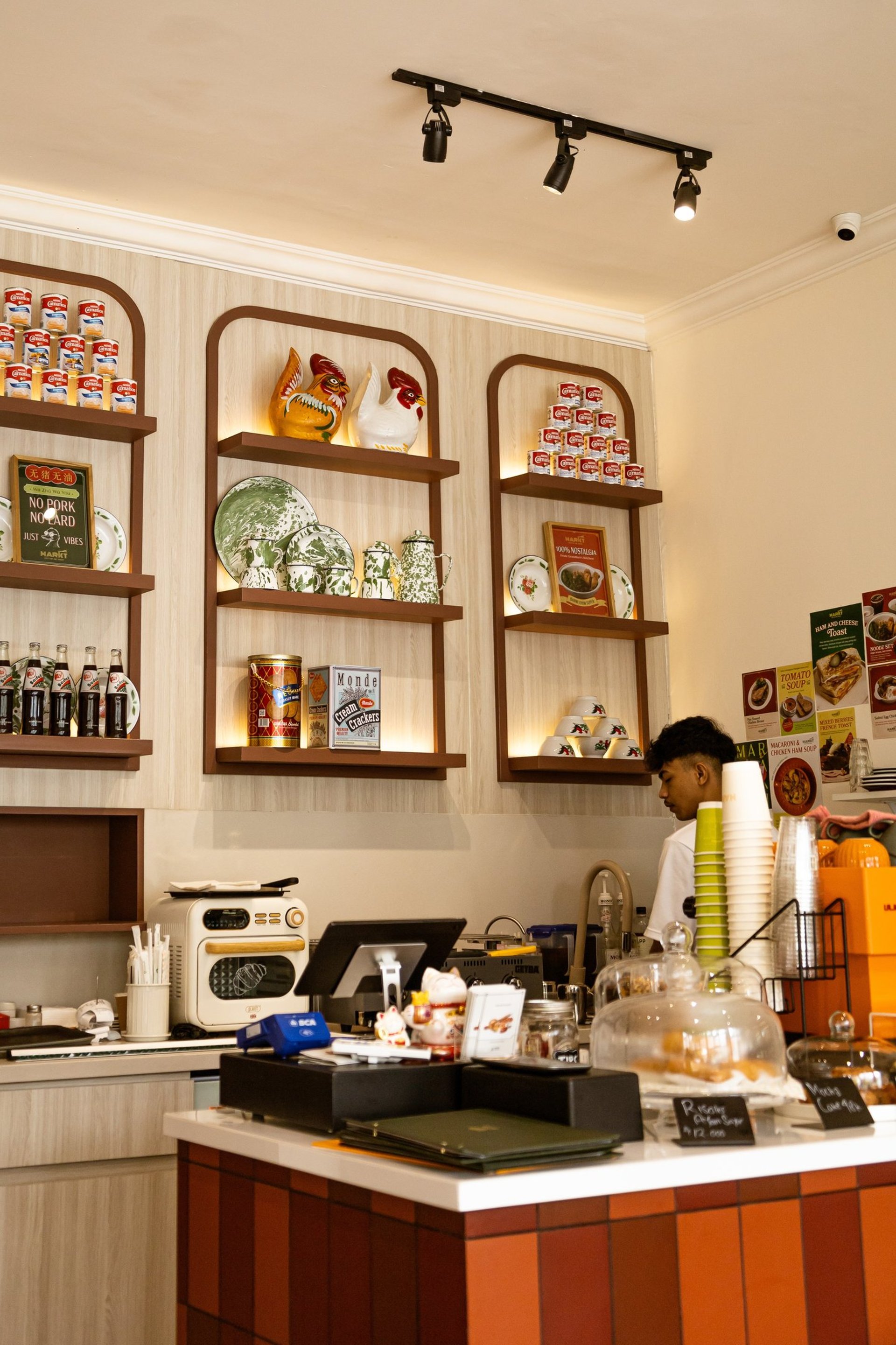
That's the idea behind MARKT Kopitiam at Kembangan, West Jakarta. Bringing familiar flavours and comforting rituals into a space designed for today's diners.
It's a place to revisit the tastes that feel familiar, while discovering them in a way that feels fresh. In other words, flavors of nostalgia for the modern palate.
If you're curious about the modern kopitiam experience, come by MARKT Kopitiam in Permata Buana and settle in for a taste of the classics, reimagined for today.
Because sometimes, rediscovering food culture doesn't mean looking backwards.
Sometimes, it simply means sitting down, ordering a kopi, tearing into some kaya toast, and remembering why it was good in the first place.
for further inquiries
info@gsberkat.com
Ruko Simprug Gallery, Unit W
Kebayoran Lama, Grogol Selatan, DKI Jakarta
© 2026 PT GASTRO SARANA BERKAT